
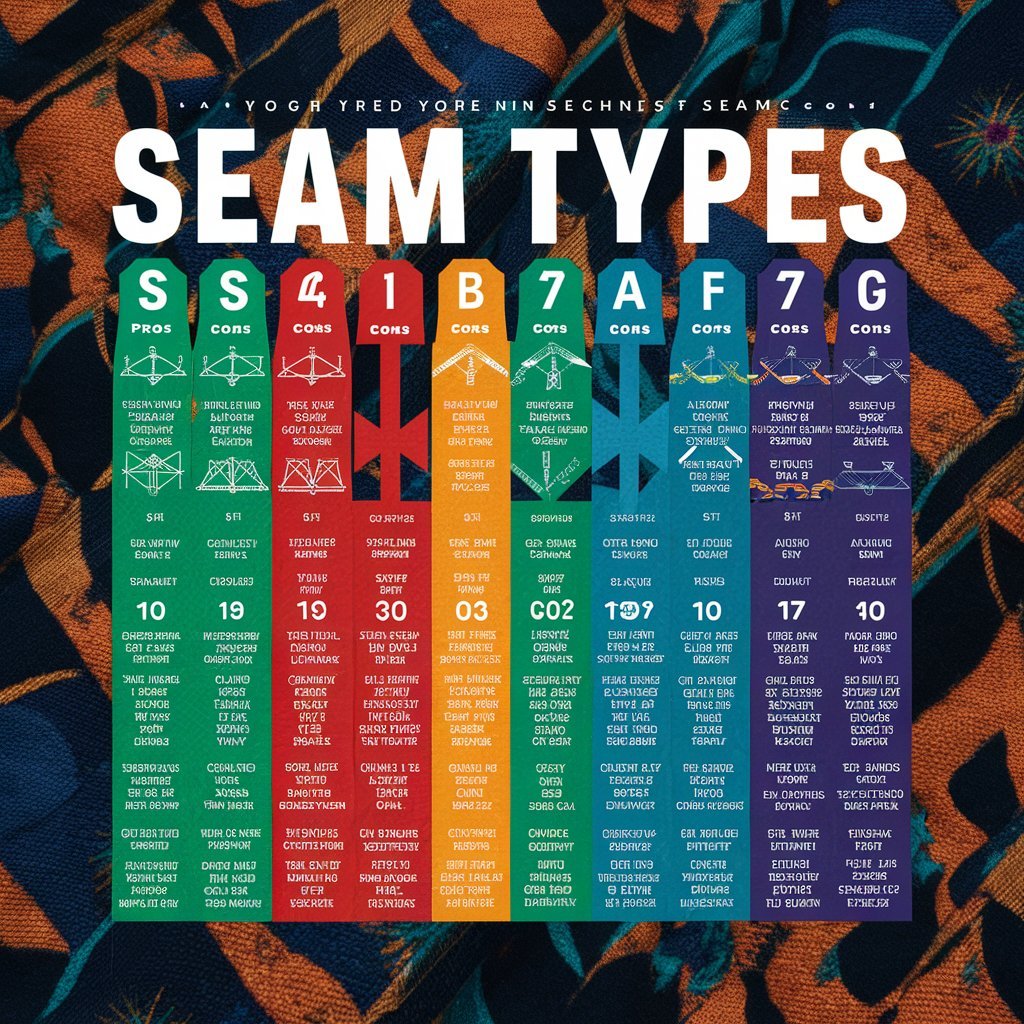
When it comes to sewing and garment construction, understanding the different Nahttypen—or seam types—is essential for creating durable, aesthetically pleasing, and functional pieces. Seam selection affects not only the look of a garment but also its strength, stretchability, and longevity. Whether you are a beginner learning to sew at home, a fashion student, or a professional seamstress, knowing the various Nahttypen and their applications can dramatically improve the quality of your work. This comprehensive guide explores the most common seam types, their benefits, and practical tips for using them effectively in different sewing projects.
What Are Nahttypen?
Nahttypen refers to the different types of seams used in sewing and textile construction. Each seam type has specific characteristics that make it suitable for particular fabrics, designs, or functional requirements. Seams are essential for joining two or more pieces of fabric while maintaining structural integrity and aesthetic appeal. Common factors that determine which Nahttypen to use include fabric thickness, stretch, garment type, and intended use. By understanding these characteristics, sewers can choose the right seam to ensure durability, comfort, and style in their projects.
Common Nahttypen and Their Uses
-
Plain Seam (Einfachnaht):
The plain seam is the most basic type of seam, suitable for lightweight fabrics and general sewing projects. It is simple to create, making it ideal for beginners, and provides a clean, strong finish when stitched properly. -
French Seam (Französische Naht):
French seams are perfect for delicate fabrics and garments that require a polished inside finish. By enclosing the raw edges, this seam prevents fraying and enhances the garment’s durability. -
Overlocked Seam (Overlock-Naht):
Commonly used in knit fabrics and stretch materials, overlocked seams offer flexibility and prevent fabric edges from unraveling. They are often created with a serger machine for a professional finish. -
Flat-Felled Seam (Kappnaht):
Flat-felled seams are durable and strong, making them ideal for workwear, jeans, and heavy fabrics. They provide a neat finish on both the inside and outside of the garment. -
Topstitched Seam (Steppnaht):
This seam includes visible stitching on the outside, often used for decorative purposes or to reinforce stress points. It adds both style and functionality to the garment.
By understanding these common Nahttypen, sewers can select the most appropriate seam for their project, ensuring both aesthetic appeal and durability.
Benefits of Using the Right Nahttypen
Selecting the appropriate Nahttypen for your sewing project offers multiple advantages:
-
Enhanced Durability: Proper seam types strengthen garments and prevent premature wear and tear.
-
Improved Aesthetics: Choosing seams that match fabric type and design enhances the garment’s appearance.
-
Comfort and Flexibility: Certain seams allow stretch and movement, especially in activewear or knit garments.
-
Professional Finish: Correct seam application gives projects a polished and professional look.
-
Reduced Fraying: Using suitable seam types prevents fabric edges from fraying, saving time on repairs and extending the garment’s lifespan.
By considering these benefits, sewers can elevate the quality and longevity of their sewing projects.
How to Sew Nahttypen Effectively
To achieve optimal results when sewing Nahttypen, follow these tips:
-
Match Seam Type to Fabric: Use strong seams for heavy fabrics and delicate seams for lightweight or sheer fabrics.
-
Use Proper Tools: Ensure your sewing machine settings, needles, and thread match the seam type and fabric.
-
Practice Accuracy: Measure, pin, and sew carefully to maintain uniform seam allowances and consistent stitches.
-
Finish Edges Appropriately: Consider overlocking, trimming, or pressing to create a clean and durable finish.
-
Refer to Tutorials: Beginners should follow step-by-step guides to master different seam types before attempting complex projects.
These practices ensure that each seam is functional, aesthetically pleasing, and long-lasting.
Conclusion
Nahttypen are fundamental elements of sewing, playing a crucial role in both the functionality and appearance of garments. From basic plain seams to advanced French or flat-felled seams, each type serves a specific purpose and offers unique benefits. By understanding the characteristics, uses, and benefits of different seam types, sewers—whether beginners or professionals—can enhance the quality, durability, and beauty of their projects. Mastering Nahttypen not only improves sewing skills but also ensures garments are comfortable, strong, and professionally finished.
✅ FAQs About Nahttypen
1. What are Nahttypen?
Nahttypen are different types of seams used in sewing and garment construction, each designed for specific fabrics and purposes.
2. Why is it important to choose the right seam type?
Selecting the correct seam ensures garment durability, comfort, aesthetic appeal, and prevents fabric fraying.
3. What is the most common seam type for beginners?
The plain seam (Einfachnaht) is the easiest and most common seam for beginners.
4. Which seam type is best for delicate fabrics?
French seams (Französische Naht) are ideal for delicate or sheer fabrics because they enclose raw edges and prevent fraying.
5. Can seam types affect garment durability?
Yes, using appropriate seams like flat-felled or overlocked seams can significantly enhance the strength and longevity of garments.
