
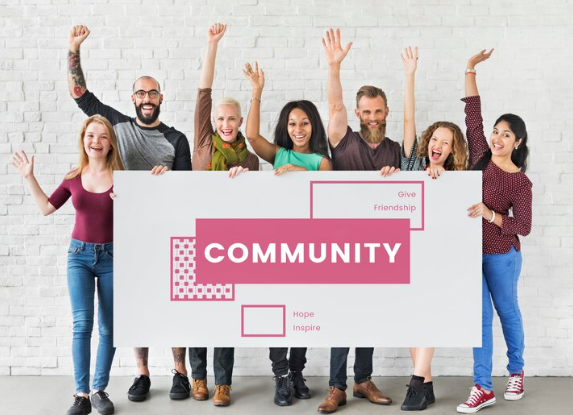
The word community is one of the most universally understood yet profoundly complex concepts in human society. At its most basic level, a community is a group of people who share something in common—a location, an interest, a set of values, or a shared experience. However, this simple definition barely scratches the surface of what a true community represents. A genuine community is a living, breathing ecosystem of mutual support, shared identity, and collective purpose. It is the invisible fabric that binds individuals together, transforming a collection of “I”s into a powerful “we.” In an increasingly digital and often fragmented world, the human yearning for authentic connection and belonging has never been more acute.
The Core Anatomy of a Community: More Than Just a Group
The third pillar is a sense of mutual responsibility and support. In a true community, members feel a sense of duty and care for one another. They celebrate each other’s successes and provide a safety net during times of need. This reciprocity builds immense trust and strengthens the bonds between members. Finally, a healthy community develops its own norms, culture, and rituals. These are the unwritten rules, shared jokes, language, and traditions that create a unique culture. This culture is what makes a community feel distinct and special to its members, fostering a deep sense of belonging and emotional safety. When these four elements—shared purpose, ongoing interaction, mutual support, and a unique culture—are present and actively nurtured, a group transcends being a mere network and becomes a genuine community, capable of providing its members with a profound sense of place and identity in the world.
The Evolution of Community: From Geographic Tribes to Digital Networks
The concept of community has undergone a radical transformation throughout human history, profoundly shaped by technological and social shifts. For millennia, community was almost exclusively defined by geography and kinship. Our ancestors lived in small, tightly-knit tribes and villages where survival depended on direct, face-to-face cooperation. Your community was your immediate neighbors and family; social circles were small, interactions were in-person, and the sense of collective identity was forged through shared labor, local traditions, and defending a common territory. The Industrial Revolution and urbanization began to loosen these geographic bonds, as people moved to cities and formed new connections based on profession and class, though neighborhood and parish often remained central pillars of social life.
The Blueprint for Building and Sustaining a Thriving Community
You must define a compelling and specific vision for the community that answers why it should exist and who it is for.Once the purpose is defined, the next step is to gather your first members. This initial cohort is critical; they are the co-founders who will help establish the culture and energy of the group.Empower these early members to contribute, lead discussions, and shape the community’s norms.
Conclusion
A community is far more than a demographic or a mailing list; it is one of the most fundamental and fulfilling human experiences. It satisfies our deep-seated need for belonging, provides a context for our identity, and offers a network of support that can carry us through life’s greatest challenges and celebrate its highest joys. The journey of community—from understanding its core components of shared purpose and mutual support to navigating its evolution in a digital world and mastering the blueprint for building one—reveals that its power lies in intentional connection. In a world that often emphasizes individualism and transactional relationships, the conscious act of building and contributing to a community is a radical and rewarding endeavor.
FAQ Section
Q1: What is the simplest definition of a community?
A: A community is a group of people who share a common identity, interest, or goal and who interact with each other consistently, fostering a sense of belonging, mutual support, and shared responsibility.
Q2: What is the difference between a network and a community?
A: A network is a web of connections where the primary relationship is often transactional or informational (e.g., a LinkedIn network).
Q3: How do you build engagement in a new community?
A: Building engagement starts with leading by example and creating low-barrier opportunities for participation. Pose thought-provoking questions, recognize and celebrate member contributions, host regular events (online or offline), and empower members to take ownership of sub-groups or projects. Consistency in communication is key.
Q4: What are the biggest challenges in managing a community?
A: Common challenges include maintaining consistent engagement over time, preventing toxic behavior and effectively moderating conflicts, managing growth without losing the core culture, and avoiding burnout among community leaders by delegating responsibilities and sharing ownership.
Q5: Can online communities be as strong as in-person ones?
A: Yes, online communities can be incredibly strong and meaningful.
